
Disclaimer: The information in this article is for educational purposes only and does not constitute medical advice. Always consult a qualified healthcare professional before making changes to your health regimen.
You could be eating perfectly and training consistently — and still failing to lose fat, build muscle, or maintain steady energy. The missing variable? Your hormones. Hormonal imbalances are one of the most common yet most overlooked barriers to health optimization, and standard blood panels often miss the subtle dysregulation that sabotages your results.
The frustrating reality is that diet and exercise advice is delivered in a hormonal vacuum — as if testosterone, cortisol, thyroid hormones, insulin, and leptin don't fundamentally determine how your body responds to every lifestyle choice you make.
This biohacker's guide covers the key hormones that govern metabolism, body composition, sleep, mood, and energy — and the evidence-based strategies to test, track, and optimize them for real, measurable results.
Why Hormones Are the Master Switch for Your Metabolism
Every diet, supplement stack, and training program ultimately works — or fails — based on one thing: your hormonal environment. Hormones are chemical messengers that regulate virtually every metabolic process in your body, from how you burn fat and build muscle to how you sleep, recover, and age.
Yet most people approach weight loss and health optimization by counting calories or following the latest fitness trend, completely ignoring the hormonal machinery running everything behind the scenes. If your hormones are out of balance, no amount of willpower can compensate.
This guide breaks down the key hormones that control your metabolism, explains how hormonal imbalance sabotages your goals, and provides evidence-based biohacking strategies to restore hormonal balance naturally — without pharmaceuticals or guesswork.
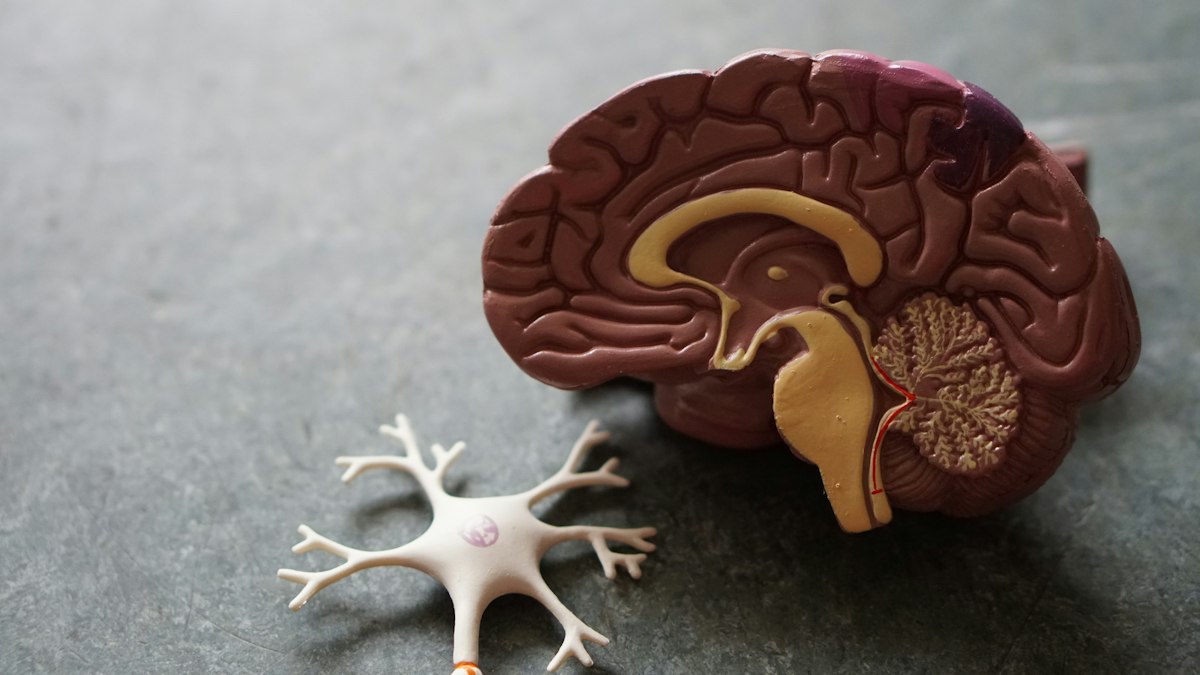
Hormonal testing is the foundation of any serious metabolic optimization strategy. Photo by National Cancer Institute on Unsplash.
Recommended Products
Top-rated hormonal optimization products on Amazon
Omega-3 High Dose (Aava Labs)
EPA/DHA for hormonal balance
View on amazon.de →
Magnesium L-Threonate (Magtein)
Supports cortisol regulation & sleep
View on amazon.de →
* Affiliate links — Biohacker Alliance earns a small commission at no extra cost to you.
The 7 Key Hormones That Control Your Metabolism
Understanding which hormones drive metabolic function is the first step toward optimization. Here are the seven most impactful hormones for weight loss, energy, and overall metabolic health.
1. Insulin — The Blood Sugar Gatekeeper
Insulin is produced by the pancreas and regulates blood sugar levels. When you eat carbohydrates, blood glucose rises and insulin is released to shuttle that glucose into cells for energy or storage. The problem begins when insulin levels remain chronically elevated — a condition called insulin resistance.
With insulin resistance, your cells stop responding efficiently to insulin. The result: your body produces more insulin, stores more fat (especially visceral belly fat), experiences energy crashes, and struggles to access stored fat for fuel. Research published in the Journal of Clinical Investigation identifies insulin resistance as the root driver of metabolic syndrome, type 2 diabetes, and obesity.
Biohacking strategies for insulin optimization:
- Practice time-restricted eating (16:8 or 18:6 intermittent fasting) to lower baseline insulin
- Prioritize protein and healthy fats at your first meal to blunt glucose spikes
- Walk for 10-15 minutes after meals — studies show this reduces post-prandial glucose by up to 30%
- Use a continuous glucose monitor (CGM) to identify your personal glucose triggers
- Consider berberine (500mg 2x daily), which multiple meta-analyses show is comparable to metformin for insulin sensitivity
2. Cortisol — The Stress and Belly Fat Hormone
Cortisol is produced by the adrenal glands and is essential for survival — it regulates your wake cycle, immune response, and acute stress reaction. However, chronically elevated cortisol from ongoing psychological stress, sleep deprivation, or overtraining is one of the most common and overlooked causes of stubborn weight gain, especially around the midsection.
Elevated cortisol directly increases appetite, promotes visceral fat storage, breaks down muscle tissue, disrupts sleep quality, and suppresses thyroid function. A 2022 study in Obesity Reviews found that individuals with chronically high cortisol had 2.3x the rate of central adiposity compared to those with normal cortisol rhythms.
Biohacking strategies for cortisol regulation:
- Practice morning sunlight exposure (10-15 min within the first hour of waking) to anchor your circadian cortisol rhythm
- Supplement with ashwagandha (300-600mg KSM-66) — shown to reduce cortisol by 23-30% in randomized controlled trials
- Implement a non-negotiable wind-down routine 60 minutes before bed (no screens, dim lighting, breathwork)
- Use physiological sighing (double inhale through the nose, long exhale through the mouth) as an instant cortisol reset
- Limit caffeine intake after 12pm — caffeine elevates cortisol for 6-8 hours
3. Thyroid Hormones (T3 and T4) — The Metabolic Rate Setters
Your thyroid gland produces T4 (thyroxine) and T3 (triiodothyronine), which directly set your basal metabolic rate. T3 is the active form and determines how fast your cells burn energy. Even subclinical hypothyroidism — where TSH is technically "normal" but suboptimal — can reduce your metabolic rate by 15-40%, making weight loss nearly impossible despite proper diet and exercise.
Common signs of suboptimal thyroid function include unexplained weight gain, cold hands and feet, brain fog, fatigue, thinning hair, and dry skin. Hormonal hair loss is frequently linked to thyroid dysfunction, particularly in women where hormonal changes during perimenopause and menopause compound the effect.
Biohacking strategies for thyroid optimization:
- Test the full thyroid panel: TSH, free T3, free T4, reverse T3, and thyroid antibodies (not just TSH alone)
- Ensure adequate selenium (200mcg daily) — required for T4-to-T3 conversion
- Ensure adequate iodine intake through sea vegetables or supplementation
- Avoid chronic caloric restriction below 1200 kcal — severe dieting suppresses T3 production
- Address gut health — 20% of T4-to-T3 conversion occurs in the gut microbiome
4. Growth Hormone (GH) — The Anti-Aging Fat Burner
Human growth hormone is produced by the pituitary gland and is one of the most powerful hormones for body composition. GH stimulates fat breakdown (lipolysis), promotes lean muscle growth, enhances cellular repair, and supports bone density. Growth hormone for weight loss has become one of the most searched topics in the biohacking community — and for good reason.
Recommended Products
Top-rated hormones & metabolism supplements & tools on amazon.com
Zinc + Magnesium (ZMA)
Testosterone & hormone support
View on amazon.com
Vitamin D3 + K2
Hormonal balance & bone health
View on amazon.com
Maca Root Extract
Endocrine & libido support
View on amazon.com
* Affiliate links — Biohacker Alliance earns a small commission at no extra cost to you. Products shown are selected for relevance to Hormones & Metabolism.
GH production peaks during deep sleep (stages 3 and 4) and declines by approximately 14% per decade after age 30. This age-related decline — called somatopause — contributes significantly to the increase in body fat, loss of muscle mass, and reduced recovery capacity that characterizes aging.
Biohacking strategies for growth hormone optimization:
- Prioritize deep sleep — 70-80% of daily GH is released during slow-wave sleep
- Practice high-intensity interval training (HIIT) — shown to increase GH by 300-700% acutely
- Try sauna sessions (20 min at 80-100°C) — studies show 2-5x GH increase post-session
- Avoid eating 2-3 hours before bed — insulin spikes suppress overnight GH release
- Consider cold exposure — cold plunge at 10-15°C for 2-5 minutes stimulates GH pathways
5. Leptin and Ghrelin — The Hunger Hormones
Leptin (the satiety hormone) and ghrelin (the hunger hormone) form the hormonal appetite regulation system. Leptin is produced by fat cells and signals to the brain that you have enough energy stored. Ghrelin is produced in the stomach and signals hunger.
In obesity and chronic dieting, leptin resistance develops — similar to insulin resistance. Despite high leptin levels, the brain no longer receives the satiety signal, leading to constant hunger and overeating. Meanwhile, ghrelin levels surge after weight loss, driving the well-documented rebound weight gain that affects 80-95% of dieters.
Biohacking strategies for appetite hormone balance:
- Prioritize sleep quality — one night of poor sleep increases ghrelin by 28% and reduces leptin by 18%
- Eat protein at every meal (30-40g) to maximize satiety signaling
- Avoid prolonged extreme caloric deficits — they worsen leptin resistance
- Incorporate strategic refeed days during fat loss phases to restore leptin sensitivity
6. Testosterone and Estrogen — Beyond Reproductive Function
Testosterone and estrogen do far more than regulate reproductive health. Testosterone drives muscle protein synthesis, fat metabolism, bone density, cognitive function, and motivation in both men and women. Estrogen protects cardiovascular health, supports bone density, regulates body fat distribution, and influences neurotransmitter function.
Testosterone levels in men have declined by approximately 1% per year since the 1980s — a trend linked to environmental endocrine disruptors, poor sleep, chronic stress, and sedentary lifestyles. In women, the estrogen decline during perimenopause and menopause triggers metabolic shifts that make weight loss increasingly difficult and contribute to hormonal hair loss and bone density loss.
Biohacking strategies for sex hormone optimization:
- Engage in resistance training — compound lifts (squats, deadlifts, presses) acutely increase testosterone
- Ensure adequate zinc (30mg daily) and magnesium (400mg daily) — both are essential cofactors
- Minimize exposure to endocrine disruptors (BPA, phthalates, parabens) in plastics, personal care products, and food packaging
- Optimize vitamin D levels (aim for 50-70 ng/mL) — vitamin D functions as a hormone precursor
- Prioritize 7-9 hours of quality sleep — testosterone production occurs primarily during REM sleep
7. Adiponectin — The Hidden Metabolic Regulator
Adiponectin is a lesser-known but critical hormone produced by fat cells. Unlike leptin, adiponectin levels decrease as body fat increases. This hormone enhances insulin sensitivity, promotes fat oxidation, and has potent anti-inflammatory effects. Low adiponectin is strongly associated with metabolic syndrome, type 2 diabetes, and cardiovascular disease.
Biohacking strategies for adiponectin optimization:
- Increase omega-3 fatty acid intake (2-4g EPA/DHA daily) — shown to significantly raise adiponectin
- Practice regular aerobic exercise — consistent cardio increases adiponectin by 18-48%
- Reduce refined carbohydrate and sugar intake to lower systemic inflammation
- Consume magnesium-rich foods — magnesium deficiency correlates with low adiponectin

Resistance training is one of the most powerful natural interventions for optimizing hormonal balance. Photo by John Arano on Unsplash.
How to Test Your Hormonal Health: The Biohacker's Lab Panel
You cannot optimize what you do not measure. A comprehensive hormonal assessment should include the following markers at minimum:
| Hormone / Marker | Optimal Range | What It Reveals |
|---|---|---|
| Fasting Insulin | 2-5 μIU/mL | Insulin resistance risk |
| HbA1c | Below 5.3% | 3-month blood sugar average |
| Free T3 | 3.2-4.2 pg/mL | Active thyroid hormone |
| TSH | 0.5-2.0 mIU/L | Thyroid stimulation (lower is often better) |
| Cortisol (AM) | 10-18 μg/dL | Adrenal function and stress response |
| DHEA-S | Age-dependent | Adrenal reserve and aging marker |
| Total & Free Testosterone | Sex/age-dependent | Metabolic drive, muscle, fat distribution |
| Estradiol (E2) | Sex/age-dependent | Estrogen status, bone and cardiovascular health |
| IGF-1 | 150-250 ng/mL | Growth hormone proxy |
| Leptin | Below 12 ng/mL | Appetite regulation and leptin resistance |
Ideally, test every 3-6 months to track trends rather than relying on a single snapshot. Many functional medicine practitioners and longevity clinics now offer comprehensive panels that go beyond conventional screening.
The Hormonal Balance Protocol: A 30-Day Biohacking Framework
If you are ready to take action, here is a structured 30-day protocol that addresses the most impactful hormonal levers:
- Week 1 — Foundation: Establish a consistent sleep/wake schedule (same time daily ±30 min), eliminate all processed sugar and seed oils, begin 10-minute post-meal walks
- Week 2 — Stress Reset: Add morning sunlight (10 min), begin ashwagandha supplementation, implement a 60-minute pre-bed wind-down routine with no screens
- Week 3 — Movement Optimization: Add 3x/week resistance training and 2x/week HIIT sessions, begin 16:8 intermittent fasting if appropriate
- Week 4 — Advanced Stack: Introduce targeted supplementation (magnesium, zinc, omega-3, vitamin D), add 2-3x/week sauna or cold exposure, test your hormone panel
Track your progress using subjective metrics (energy, mood, sleep quality, hunger levels) and objective data (body composition, wearable metrics, blood work).
Ready for Your Next Upgrade?
Discover verified biohacking experts, curated insights, and a community built around human optimization.
Frequently Asked Questions
Which hormone is most responsible for weight loss?+
Can hormonal imbalance cause hair loss?+
Does growth hormone help with fat loss?+
How do I know if my hormones are out of balance?+
How can I balance my hormones naturally for weight loss?+
Disclaimer: The information in this article is for educational purposes only and does not constitute medical advice. Always consult a qualified healthcare professional before making changes to your health regimen.