Ipamorelin: The Selective Growth Hormone Peptide Guide
Among the growth hormone secretagogues, Ipamorelin stands out for one key reason: precision. It triggers meaningful GH release without the cortisol spikes, prolactin elevations, or excessive hunger that plague other GHRPs. For biohackers focused on body composition, sleep quality, recovery, and longevity — Ipamorelin is frequently the first GH peptide recommended, and for good reason.
What Is Ipamorelin?
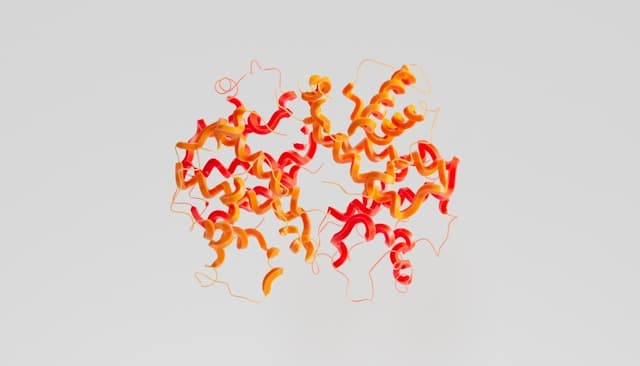
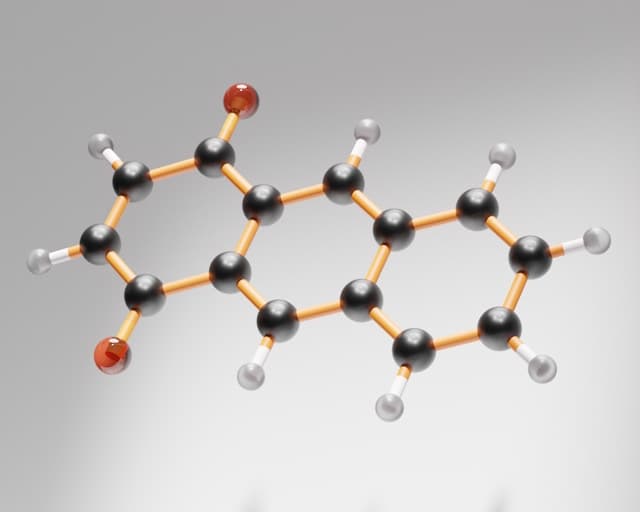
Ipamorelin (development code: NNC 26-0161;Wikipedia) is a synthetic pentapeptide with the amino acid sequence Aib-His-D-2-Nal-D-Phe-Lys-NH₂ that belongs to the growth hormone secretagogue receptor (GHSR) agonist class — more commonly known as GHRPs (Growth Hormone Releasing Peptides). It mimics ghrelin, the endogenous "hunger hormone" that also powerfully stimulates pituitary GH release.
Developed in the late 1990s by Novo Nordisk (yes, the same company behind semaglutide), Ipamorelin was initially investigated as a pharmaceutical for GH deficiency. It subsequently entered Phase II clinical trials under Helsinn Therapeutics for postoperative ileus — highlighting its broader physiological effects beyond GH release.The seminal clinical studypublished in 1999 established its GH-releasing efficacy and notably clean side effect profile. Ipamorelin has an elimination half-life of approximately 2 hours, making 2–3x daily dosing appropriate to sustain consistent GH pulse stimulation, distinguishing it from earlier GHRPs like GHRP-2 and GHRP-6.
Its key differentiating feature: Ipamorelin selectively releases GH without significantly elevating ACTH, cortisol, or prolactin — hormonal side effects that make other GHRPs problematic for many users. This selectivity makes it suitable for longer-term protocols that would be inadvisable with less selective secretagogues.
Molecular formula: C₃₈H₄₉N₉O₅ | Molar mass: 711.87 g/mol | CAS: 170851-70-4 | Half-life: ~2 hours | Routes: IV, subcutaneous
How Ipamorelin Works
Ipamorelin binds to theghrelin receptor (GHSR-1a)on somatotroph cells in the anterior pituitary gland. This binding triggers a calcium-dependent signaling cascade that results in pulsatile GH secretion — mimicking the body's natural GH release pattern rather than creating a continuous hormonal flood.
Key Mechanisms
- GHSR-1a agonism: Direct stimulation of pituitary somatotrophs to release GH in pulses
- Somatostatin suppression: Reduces inhibitory somatostatin tone, allowing GH pulses to be larger and more frequent
- Downstream IGF-1 elevation: GH released by Ipamorelin signals the liver to produce Insulin-like Growth Factor 1 (IGF-1), which mediates many of GH's anabolic and metabolic effects
- No ACTH/cortisol stimulation: Unlike GHRP-2 and GHRP-6, Ipamorelin does not activate the HPA axis — a critical advantage for long-term use
Natural Physiology vs. Ipamorelin
GH is naturally released in pulses — primarily during deep sleep (stages 3-4) and in response to exercise, fasting, and stress. As we age, GH pulse amplitude and frequency decline dramatically. By age 40, most people produce roughly half the GH of a healthy 20-year-old. Ipamorelin restores and amplifies these pulses, working with the body's existing regulatory systems rather than bypassing them (unlike exogenous HGH).
Benefits & Research
Body Composition
GH directly stimulates lipolysis (fat breakdown) and supports lean mass maintenance. Elevated IGF-1 promotes muscle protein synthesis and recovery. Clinical research with GH secretagogues in GH-deficient adults consistently showssignificant improvements in lean body mass and reductions in fat mass, particularly visceral fat, over 3–6 month protocols.
Sleep Quality
GH is primarily secreted during slow-wave sleep, and the relationship is bidirectional — GH promotes deeper sleep, and deeper sleep triggers more GH. Many Ipamorelin users report notably improved sleep depth and recovery within the first 2–3 weeks of use. This is one of the most consistently reported subjective effects across user populations.
Recovery & Tissue Repair
Elevated GH and IGF-1 accelerate recovery from training by promoting protein synthesis, collagen production, and tissue repair. Athletes using Ipamorelin frequently report faster recovery between training sessions and reduced joint discomfort — likely mediated by increased collagen turnover stimulated by IGF-1.
Anti-Aging & Longevity
GH decline is one of the most consistent features of biological aging (the "somatopause"). Restoring youthful GH pulsatility has downstream effects across multiple aging-related pathways: improved skin quality and thickness, better bone density maintenance, improved metabolic flexibility, and cardiovascular benefits. Ipamorelin is increasingly prescribed in functional medicine and longevity clinics as part of comprehensive anti-aging protocols.
Cognitive Function
GH receptors are expressed throughout the brain, and IGF-1 crosses the blood-brain barrier. Some research suggests GH axis optimization improves cognitive performance, memory consolidation, and mood — likely via IGF-1's neuroprotective effects. Many users report improved mental clarity alongside improved sleep from Ipamorelin use.
Ipamorelin vs. Other GHRPs
Understanding how Ipamorelin compares to its relatives helps clarify why it's often the first-choice GHRP:
| Peptide | GH Release | Cortisol Effect | Prolactin Effect | Hunger |
|---|---|---|---|---|
| Ipamorelin | Strong | ✅ Minimal | ✅ Minimal | ✅ Minimal |
| GHRP-2 | Very Strong | ⚠️ Moderate | ⚠️ Moderate | ⚠️ Moderate |
| GHRP-6 | Strong | ⚠️ Moderate | ⚠️ Moderate | ❌ Strong |
| Hexarelin | Very Strong | ❌ Strong | ❌ Strong | ⚠️ Moderate |
The bottom line: Ipamorelin achieves strong GH release with the cleanest hormonal side-effect profile of any GHRP. It does not affect prolactin, FSH, LH, or TSH — making it uniquely suitable for long-term use without disrupting other hormonal axes. For most users — particularly those not requiring maximum possible GH output — this selectivity makes it the superior choice.
The CJC-1295 + Ipamorelin Stack
Ipamorelin is most commonly used in combination with CJC-1295 (a GHRH analog). Understanding why requires basic GH physiology:
GH release is regulated by two hypothalamic hormones with opposing effects:
- GHRH (Growth Hormone-Releasing Hormone): Stimulates GH release
- Somatostatin: Inhibits GH release
CJC-1295 mimics GHRH — it primes the pituitary and increases the amplitude of GH pulses. Ipamorelin mimics ghrelin — it also stimulates GH release and suppresses somatostatin. Together, they work through distinct but synergistic mechanisms:
Recommended Products
Top-rated performance optimization supplements & tools on amazon.com
Magnesium Glycinate
Deep sleep & relaxation
View on amazon.com
Sleep Tracker / Ring
Sleep stage & HRV monitoring
View on amazon.com
Blue Light Blocking Glasses
Circadian rhythm protection
View on amazon.com
* Affiliate links — Biohacker Alliance earns a small commission at no extra cost to you. Products shown are selected for relevance to Performance Optimization.
- CJC-1295 provides the "priming" signal and extends GH pulse duration
- Ipamorelin provides the "trigger" signal and reduces inhibitory tone
- Combined GH output is significantly greater than either alone
Research on GHRH + GHRP combinationsconfirms synergistic GH release that's 3–10x greater than either compound alone, depending on baseline GH status and protocol details.
Standard Stack Protocol
Typical research protocol: CJC-1295 (without DAC) 100–200 mcg + Ipamorelin 100–300 mcg, injected together subcutaneously 2–3x per day (pre-sleep injection is most important). This maintains physiological pulsatility while meaningfully elevating GH output.
Dosing Protocol
Ipamorelin research dosing as a reference:
| Protocol | Dose | Frequency |
|---|---|---|
| Minimum effective | 100 mcg | 1x/day (pre-sleep) |
| Standard | 200–300 mcg | 2–3x/day |
| Advanced (stacked) | 100–200 mcg Ipa + 100–200 mcg CJC | 2–3x/day |
Cycle length: typically 3–6 months, followed by 1–2 months off. Continuous long-term use may downregulate pituitary sensitivity (desensitization), though Ipamorelin appears less prone to this than other GHRPs due to its selectivity.
Timing & Administration
Timing matters significantly for GH peptides:
- Pre-sleep injection (most important): The largest natural GH pulse occurs in the first hours of sleep. Injecting Ipamorelin 30–60 minutes before sleep amplifies this pulse maximally.
- Morning (fasted): Injecting upon waking, before eating, capitalizes on the GH-permissive fasted state. Eating (especially carbohydrates) raises insulin, which blunts GH release.
- Pre-workout: Optional third injection 30–45 minutes before training for enhanced GH pulse during exercise.
- Avoid injecting with carbohydrate-rich meals: Insulin antagonizes GH release. Wait 2+ hours after a carb-containing meal, or inject in a fasted state.
Side Effects & Safety
Ipamorelin has an excellent safety profile in research contexts, which is a key reason for its popularity. Observed and potential effects:
- Water retention: Mild, especially at higher doses or in the first 2–4 weeks. Typically resolves as the body adjusts.
- Injection site reactions: Standard for subQ peptides — mild redness, transient swelling.
- Headache: Some users report mild headaches, usually early in a cycle.
- Flushing: Rare, transient, typically at higher doses.
- IGF-1 elevation: Expected and desired; should be monitored to avoid supraphysiological levels, which carry potential long-term risks.
Monitoring
Baseline and periodic bloodwork is recommended: IGF-1, fasting glucose, HbA1c (elevated GH can cause mild insulin resistance at high doses), and a basic hormone panel. Most practitioners check labs at 6–8 weeks into a protocol.
Contraindications
Active cancer (GH/IGF-1 can stimulate growth of hormone-sensitive tumors), pregnancy, breastfeeding, and type 1 diabetes (glucose monitoring required). Not recommended without medical supervision in individuals with pituitary pathology.
Recent Research (2026)
Ipamorelin is seeing a surge of clinical interest. Five peer-reviewed studies published in early 2026 shed new light on its applications:
- Therapeutic Peptides in Orthopaedics (J Am Acad Orthop Surg, 2026) — Confirms CJC-1295/Ipamorelin as a key GH secretagogue stack for orthopaedic tissue repair, alongside BPC-157, TB-500, and GHK-Cu. Highlights the peptide's role in IGF-1-mediated recovery.
- Injectable Peptide Therapy Primer for Sports Medicine Physicians (Am J Sports Med, 2026) — CJC-1295 + Ipamorelin specifically reviewed for musculoskeletal repair. Authors note findings are largely from animal models but clinical use is growing rapidly among sports medicine practitioners.
- Therapeutic Peptides in Gerontology (Frontiers in Aging, 2026) — Free PMC article reviewing Ipamorelin's role in healthy aging protocols alongside GHK-Cu, BPC-157, and Epitalon. Supports its inclusion in longevity-focused peptide regimens.
- Safety & Efficacy of Peptide Therapies for Musculoskeletal Injuries (Sports Med, 2026) — Comprehensive review of Ipamorelin among direct-to-consumer peptides; discusses pharmacological mechanisms and regulatory status in the context of sports medicine.
- A New Era of Doping? Peptides in Recreational & Professional Sport (J Sports Med Phys Fitness, 2026) — Explicitly names Ipamorelin as a GH secretagogue promoted for muscle building and fat loss in bodybuilding and sport. Discusses the anti-doping implications and the growing use of research peptides in amateur athletics.
The pattern across these 2026 papers is clear: Ipamorelin has moved from obscure research compound to a peptide that mainstream sports medicine, orthopaedics, and gerontology are actively evaluating. The evidence base is maturing rapidly.
Frequently Asked Questions
What does Ipamorelin do?
Ipamorelin selectively stimulates the pituitary gland to release growth hormone in pulses, without significantly affecting cortisol or prolactin. This results in elevated GH and downstream IGF-1, improving body composition, sleep quality, recovery, and supporting anti-aging processes.
Is Ipamorelin better than HGH?
Different, not simply better or worse. Exogenous HGH provides a continuous, non-pulsatile GH elevation that is less physiological and carries higher risks of side effects (water retention, carpal tunnel, insulin resistance, potential tumor growth). Ipamorelin works through the body's own regulatory systems, produces pulsatile GH release, and is generally considered safer for long-term use. The trade-off: HGH produces higher peak GH levels.
How long until Ipamorelin works?
Improved sleep quality is often the first noticed effect — typically within 1–2 weeks. Body composition changes (improved leanness, better muscle recovery) become apparent over 6–12 weeks of consistent use. Maximum benefits accumulate over 3–6 months.
Can women use Ipamorelin?
Yes. GH optimization is relevant for both sexes. Women may be more sensitive to GH secretagogues and typically start at lower doses (100–200 mcg vs. 200–300 mcg for men). The benefits for body composition, sleep, skin quality, and longevity apply equally.
Does Ipamorelin cause hunger?
Unlike GHRP-6 (notorious for intense hunger due to ghrelin receptor activation in the gut), Ipamorelin produces minimal to no appetite stimulation. This is one of its key advantages and makes it far more practical for everyday use.
What is the best time to take Ipamorelin?
Pre-sleep is the single most important injection timing, as it amplifies the natural nocturnal GH pulse during slow-wave sleep. If using 2–3 injections per day, the pre-sleep dose should always be included. Morning fasted injection is the second priority.
Conclusion
Ipamorelin occupies a sweet spot in the GH optimization landscape: meaningful GH-releasing efficacy with an enviably clean side effect profile. Its selectivity — GH release without cortisol, prolactin, or significant appetite effects — makes it appropriate for a wider range of users and longer protocols than most other GHRPs.
Whether used solo for sleep and recovery optimization, or stacked with CJC-1295 for comprehensive GH axis support, Ipamorelin is a foundational peptide for anyone serious about biohacking their hormonal landscape. The near-zero competition for this keyword reflects how underserved this information space is — which means significant organic search opportunity for anyone providing quality content here.
→ See the fullPeptide Guidefor context on where Ipamorelin fits in the broader peptide ecosystem.
Disclaimer: The information in this article is for educational purposes only and does not constitute medical advice. Always consult a qualified healthcare professional before making changes to your health regimen.