Disclaimer: The information in this article is for educational purposes only and does not constitute medical advice. Always consult a qualified healthcare professional before making changes to your health regimen.
Neuro-cognitive intelligence is one of the most compelling frontiers in modern biohacking. Unlike traditional IQ — a static number measured by a single test — neuro-cognitive intelligence describes the dynamic capacity of your brain networks to coordinate, adapt, and solve complex problems. It bridges neuroscience, cognitive psychology, and performance optimization into a practical framework anyone can work with.
Understanding and enhancing your neuro-cognitive intelligence is not about becoming a genius overnight. It is about systematically building the biological foundations that allow your brain to perform at its highest level — reliably, sustainably, and across all domains of life.
What Is Neuro-Cognitive Intelligence?
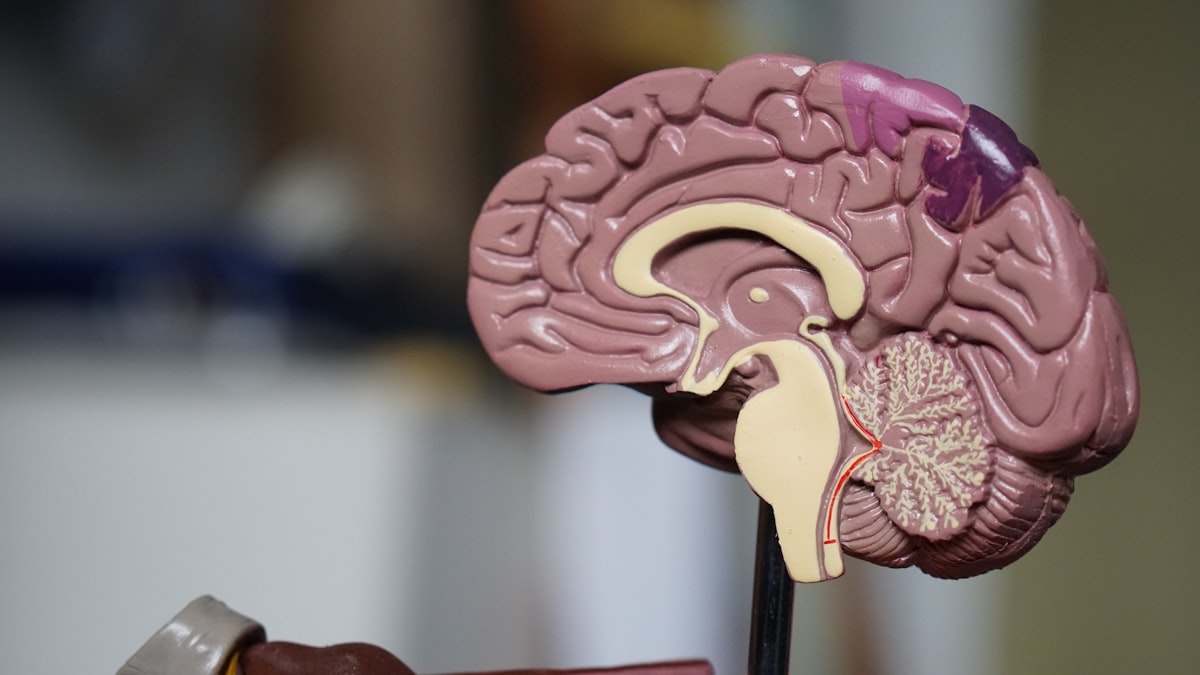
Neuro-cognitive intelligence refers to how efficiently and flexibly the brain's neural networks coordinate to generate intelligent behavior. Modern neuroscience has moved far beyond the idea that intelligence lives in one specific brain region. Research consistently shows that general cognitive ability emerges from system-wide brain organization — particularly the dynamic interplay between the frontoparietal network and other large-scale brain systems.
The frontoparietal network underpins executive functions like planning, abstract reasoning, working memory, and cognitive flexibility. When this network operates efficiently and connects well with other brain regions, you experience sharper thinking, faster problem-solving, and greater mental resilience.
According to cognitive neuroscience (Wikipedia), intelligence is not fixed but shaped by experience, lifestyle, and targeted interventions — which is exactly where biohacking comes in.
Recommended Products
Top-rated brain optimization products on Amazon
Lion's Mane (Intelligent Labs)
25% beta glucans — nerve growth factor support
View on amazon.de →
Omega-3 High Dose (Aava Labs)
800mg EPA + 400mg DHA for brain health
View on amazon.de →
Magnesium L-Threonate (Magtein)
Crosses blood-brain barrier for cognitive support
View on amazon.de →
* Affiliate links — Biohacker Alliance earns a small commission at no extra cost to you.
Neuroplasticity: The Engine Behind Cognitive Growth
The single most important concept in neuro-cognitive optimization is neuroplasticity — the brain's ability to reorganize and rewire its neural connections in response to new experiences, learning, and deliberate practice. For decades, scientists believed the adult brain was largely fixed. We now know this is wrong.
Recommended Products
Top-rated brain & cognition supplements & tools on amazon.com
Lion's Mane Mushroom
NGF & neuroplasticity support
View on amazon.com
Omega-3 High-Dose
Brain & cognitive performance
View on amazon.com
Bacopa Monnieri
Memory & focus enhancement
View on amazon.com
* Affiliate links — Biohacker Alliance earns a small commission at no extra cost to you. Products shown are selected for relevance to Brain & Cognition.
Neuroplasticity operates through several mechanisms:
- Synaptic strengthening — repeated neural activation reinforces existing connections
- Synaptogenesis — formation of entirely new synaptic connections
- Neurogenesis — generation of new neurons, primarily in the hippocampus
- Network reconfiguration — large-scale reorganization of how brain regions communicate
Crucially, most of this consolidation happens during sleep. Deep sleep and REM sleep are when the brain processes the day's learning, prunes unnecessary connections, and strengthens the neural pathways that matter most. Poor sleep does not just make you tired — it actively degrades your neuro-cognitive infrastructure.
Evidence-Based Strategies to Enhance Neuro-Cognitive Intelligence
1. Physical Exercise — The Strongest Lever
Of all cognitive enhancement strategies, aerobic exercise has the most robust scientific backing. Regular cardiovascular activity increases cerebral blood flow, boosts levels of BDNF (Brain-Derived Neurotrophic Factor) — often called "fertilizer for the brain" — and directly promotes neurogenesis in the hippocampus. Studies consistently show improvements in memory, processing speed, and executive function after sustained exercise programs. Even a single 20-minute session produces measurable short-term cognitive benefits.
2. Sleep Optimization
Sleep is non-negotiable for neuro-cognitive performance. During slow-wave sleep, the brain's glymphatic system clears metabolic waste including amyloid-beta, a protein linked to cognitive decline. During REM sleep, emotional memories are processed and creative connections are formed. Aim for 7-9 hours, prioritize consistent sleep timing, and minimize blue light exposure before bed.

3. Deliberate Learning and Skill Acquisition
Learning new, cognitively demanding skills is one of the most powerful neuroplasticity drivers available. Musical training, learning a new language, mastering a complex motor skill, or studying a new domain all trigger structural brain changes — increasing gray matter density and white matter connectivity in relevant networks. The key is genuine challenge; comfortable repetition produces minimal neuroplastic change.
4. Mindfulness and Meditation
Regular mindfulness practice produces measurable changes in brain structure and function. Long-term meditators show increased cortical thickness in the prefrontal cortex, enhanced default mode network regulation, and improved attentional control. Even 8-week mindfulness programs increase gray matter in areas associated with learning, memory, and self-awareness. For neuro-cognitive optimization, 10-20 minutes of daily practice yields meaningful returns.
5. Nutrition and Nootropics
Cognitive performance is inseparable from metabolic health. Key nutritional targets include:
- Omega-3 fatty acids (DHA/EPA) — essential for neuronal membrane integrity and anti-inflammatory signaling
- Magnesium — critical for synaptic plasticity and NMDA receptor function
- B vitamins (B6, B9, B12) — support homocysteine regulation and myelin synthesis
- Caffeine + L-theanine — the most evidence-supported nootropic combination for focus without jitteriness
- Lion's Mane mushroom — emerging evidence for NGF (Nerve Growth Factor) stimulation and neuroprotection
Measuring and Tracking Neuro-Cognitive Progress
One of the advantages of the biohacking mindset is quantification. Validated tools to track neuro-cognitive performance over time include:
- Cognitive assessment apps (Cambridge Brain Sciences, Dual N-Back) — measure working memory, attention, and processing speed
- Heart rate variability (HRV) — correlated with prefrontal cognitive performance
- Sleep trackers — monitoring sleep stages helps optimize the neuroplasticity window
- Reaction time tests — sensitive markers of acute cognitive state
Tracking creates feedback loops. Without measurement, optimization is guesswork. With it, you can identify which interventions actually move the needle for your individual neurobiology.
The Integrated Approach: Systems Thinking for Brain Performance
The most important insight from neuro-cognitive science is that the brain is a complex adaptive system. Single interventions — one supplement, one technique — rarely produce transformative results. What works is an integrated approach that simultaneously addresses sleep, movement, nutrition, learning, and stress regulation.
Think of neuro-cognitive intelligence optimization as building infrastructure: exercise lays the vascular foundation, sleep consolidates and clears, learning builds new architecture, nutrition provides the raw materials, and mindfulness tunes the regulatory systems. Each layer amplifies the others.
This is the biohacker's edge — not chasing the single magic bullet, but systematically stacking evidence-based interventions to create compounding returns on cognitive investment.
Ready for Your Next Upgrade?
Discover verified biohacking experts, curated insights, and a community built around human optimization.
Frequently Asked Questions
What is neuro-cognitive intelligence?+
Can neuro-cognitive intelligence actually be improved?+
What is the fastest way to boost cognitive performance?+
How does sleep affect neuro-cognitive intelligence?+
Are nootropics effective for enhancing neuro-cognitive intelligence?+
How long does it take to see results from cognitive optimization?+
What is the difference between neuro-cognitive and emotional intelligence?+
Disclaimer: The information in this article is for educational purposes only and does not constitute medical advice. Always consult a qualified healthcare professional before making changes to your health regimen.