Disclaimer: The information in this article is for educational purposes only and does not constitute medical advice. Always consult a qualified healthcare professional before making changes to your health regimen.
What Are Orthobiologics — and Why Do They Matter for Longevity?
If your definition of longevity stops at supplements and sleep, you may be missing the part of the body that determines whether you can actually live the life you want: your musculoskeletal system. Joints, tendons, cartilage, and spinal discs are what allow you to move — and movement is, in the most literal sense, the foundation of a long and functional life.
Orthobiologics is the branch of regenerative medicine that focuses specifically on these structures. It uses biological materials — platelet-rich plasma (PRP), stem cells, bone marrow aspirate, adipose-derived cells, and targeted growth factors — to stimulate the body's own healing mechanisms, reduce chronic inflammation, and restore tissue function. The core premise is elegantly simple: rather than cutting tissue out or replacing it with a prosthetic, orthobiologics helps the body repair itself.
For longevity-minded patients, this matters enormously. Chronic joint pain, spinal degeneration, and cartilage loss are not inevitable consequences of ageing — they are conditions that can be addressed, slowed, and in some cases reversed using the right biological tools applied at the right time.
PRP: The Entry Point to Regenerative Joint Care
Platelet-rich plasma (PRP) is the most widely used and best-studied orthobiologic. The process begins with a simple blood draw. The blood is then centrifuged to concentrate the platelets — small cell fragments loaded with growth factors including PDGF, TGF-β, VEGF, and IGF-1. This concentrated plasma is then injected precisely into the target tissue: a damaged knee meniscus, a degenerating lumbar disc, a torn rotator cuff, or an arthritic hip joint.
The growth factors in PRP activate local stem cells, reduce inflammatory cytokines, stimulate collagen synthesis, and accelerate tissue repair. Clinical evidence supports PRP's effectiveness for knee osteoarthritis, tendinopathies, and chronic back pain — with studies showing outcomes comparable or superior to corticosteroid injections, without the tissue-degrading side effects of steroids.
For longevity medicine, PRP represents a fundamentally different philosophy than conventional pain management: instead of masking symptoms, it targets the biological process causing them. One well-timed PRP protocol can extend the functional lifespan of a joint by years — sometimes decades.
Stem Cell Therapy: Rebuilding from Within
Where PRP provides growth factor signalling, stem cell therapy introduces the building blocks of tissue regeneration directly. Mesenchymal stem cells (MSCs) — derived from bone marrow or adipose (fat) tissue — are multipotent cells capable of differentiating into cartilage, bone, tendon, and ligament. When injected into a damaged joint or spinal disc, they can initiate tissue regeneration that would otherwise not occur naturally in an ageing body.
The immunomodulatory properties of MSCs are equally significant. Beyond regenerating tissue, these cells actively suppress the chronic low-grade inflammation that underlies most degenerative musculoskeletal conditions — the same systemic inflammation that accelerates ageing across all organ systems. This dual regenerative and anti-inflammatory action makes stem cell therapy one of the most genuinely longevity-oriented medical interventions available today.
It is important to note that stem cell therapy for musculoskeletal conditions remains an evolving field, and outcomes depend heavily on the experience of the practitioner, the preparation method, and precise delivery. This is why choosing a double board-certified orthopedic surgeon with specific training in orthobiologics — rather than a general wellness provider — makes a meaningful clinical difference.
Endoscopic Spine Surgery: When Regeneration Needs a Surgical Partner
Orthobiologics are powerful, but they are not universally sufficient. Some spinal and joint conditions — severe disc herniation with nerve compression, advanced structural instability, significant cartilage loss — require surgical intervention before regenerative therapies can be effective. The critical word here is minimally invasive.
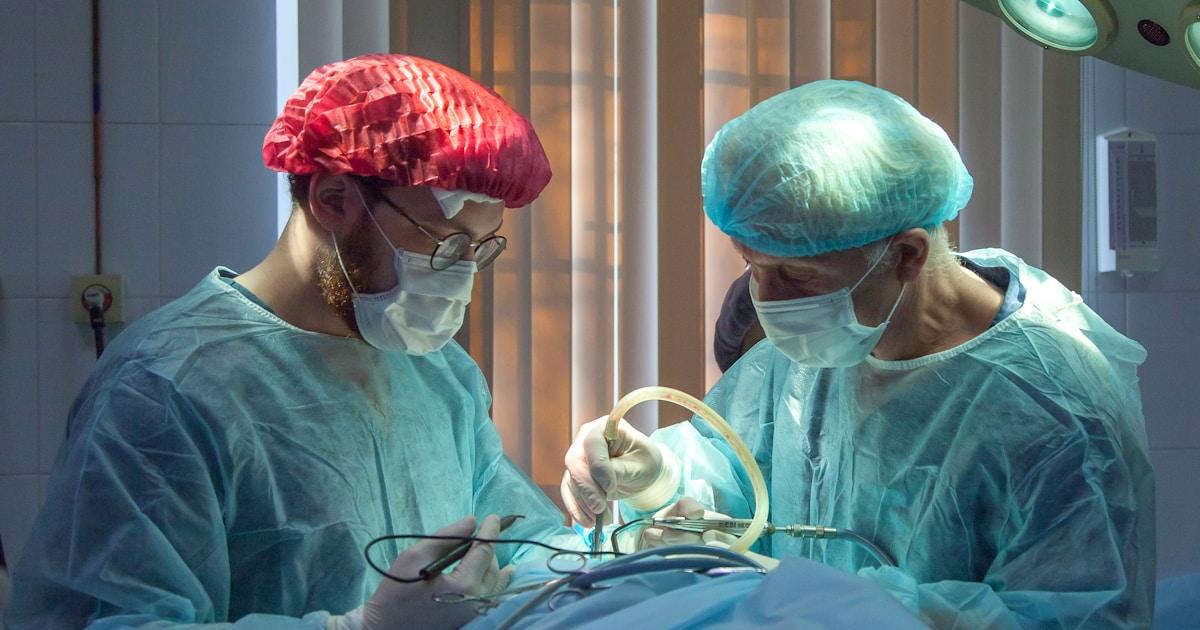
Endoscopic spine surgery represents a paradigm shift from traditional open spinal procedures. Using ultra-thin endoscopes (typically 7–8mm working channels), surgeons can address complex spinal pathology — discectomies, foraminotomies, decompression procedures — through incisions smaller than a keyhole, with patients often mobile within hours and returning to full activity within weeks rather than months.
For longevity patients, the equation is straightforward: a minimally invasive procedure that preserves motion, protects surrounding tissue, and allows rapid recovery is fundamentally more compatible with long-term health than an open surgery requiring months of rehabilitation. Orthobiologics applied post-operatively can then support the healing environment, further accelerating recovery and optimising long-term outcomes.
Functional Medicine and Epigenetics: The Missing Layer
The most sophisticated orthobiologic in the world will underperform if the patient's systemic environment is working against it. Chronic stress, poor sleep, nutritional deficiency, metabolic dysregulation — these factors impair the very healing mechanisms that orthobiologics are designed to activate. This is where functional medicine becomes indispensable.
Recommended Products
Top-rated longevity supplements & tools on amazon.com
NMN Supplement
NAD+ precursor for cellular energy
View on amazon.com
Resveratrol
Sirtuin activator & antioxidant
View on amazon.com
Collagen Peptides
Skin, joint & tissue support
View on amazon.com
* Affiliate links — Biohacker Alliance earns a small commission at no extra cost to you. Products shown are selected for relevance to Longevity.
Functional medicine addresses root causes rather than isolated symptoms. A thorough functional medicine assessment examines inflammatory markers, hormonal balance, gut health, micronutrient status, sleep quality, and environmental exposures — building a picture of the systemic environment in which musculoskeletal healing must occur. Optimising this environment dramatically improves the efficacy of regenerative interventions.
Epigenetic medicine — the study and modification of gene expression without changing the underlying DNA sequence — adds a further dimension. Lifestyle factors, nutritional interventions, targeted supplementation, and specific environmental modifications can shift gene expression patterns in ways that support tissue regeneration, reduce systemic inflammation, and slow biological ageing. For patients with complex presentations, including those with neurodevelopmental conditions or chronic inflammatory disease, epigenetic approaches can unlock healing potential that conventional medicine does not address.
Dr. Jamal El Rai: Where German Precision Meets Lebanese Care
Dr. Jamal El Rai, founder of JR Clinic at Raee Hospital in Saida, Lebanon, embodies the integration of these disciplines in a way that is genuinely rare in the Middle East. A graduate of the American University of Beirut's Faculty of Medicine and Surgery, he spent over 12 years training and practising at leading German hospitals — completing two advanced fellowships, obtaining two German board certifications (Orthopedic & Trauma Surgery 2021; Advanced Musculoskeletal Trauma Surgery 2025), and earning both the EUROSPINE Diploma (2022) and the AO Spine Global Diploma (2024).
His clinical practice at JR Clinic integrates advanced endoscopic spine surgery, minimally invasive joint reconstruction, a comprehensive orthobiologics programme (PRP, stem cells, growth factors), and a functional medicine approach informed by the latest epigenetic research. As the father of a child with autism, Dr. El Rai has pursued functional and epigenetic medicine with deep personal investment — exploring and applying interventions that have produced meaningful developmental improvements in his child, and that inform his integrative approach to all patients.
"The body wants to heal," Dr. El Rai explains. "Our role is to remove the obstacles and provide the biological conditions that make healing possible. Orthobiologics give us the tools to do that at the cellular level. Functional medicine gives us the systemic view that determines whether those tools will actually work."
Who Is Orthobiologic and Regenerative Medicine Right For?
The ideal candidate for an integrated orthobiologics and longevity medicine approach is broader than most people assume. Contrary to the perception that regenerative medicine is a last resort before surgery, the most effective timing for orthobiologic interventions is often early — when tissue damage is present but not yet structurally catastrophic.
Strong candidates include: individuals with early to moderate knee, hip, or shoulder osteoarthritis who want to delay or avoid joint replacement; athletes and active patients managing tendon injuries, chronic tendinopathies, or spinal pain; patients recovering from spinal or joint surgery who want to optimise healing; and longevity-oriented patients over 40 who want to proactively preserve musculoskeletal function as a central component of healthy ageing.
Equally relevant are patients with complex inflammatory, metabolic, or neurodevelopmental presentations where the functional medicine and epigenetic dimensions of care are as important as the structural interventions.
Saida and Lebanon: An Emerging Hub for Integrative Medicine
Lebanon has a long tradition of medical excellence — the American University of Beirut Medical Center is consistently ranked among the region's finest institutions, and Lebanese-trained physicians are found at leading hospitals across Europe, North America, and the Gulf. What has historically been less available is the integration of this surgical and medical excellence with regenerative and functional medicine approaches.
JR Clinic in Saida represents a meaningful step in that direction — bringing German-board-certified surgical precision together with a genuine longevity medicine framework, in a practice that serves patients from across South Lebanon, the greater Beirut area, and beyond. For Lebanese diaspora visiting home, or for medical travellers from across the Eastern Mediterranean and Gulf seeking specialist regenerative care in a culturally familiar environment, Saida has become a destination worth knowing.
To learn more about Dr. Jamal El Rai and book a consultation, visit drjamalelrai.com or reach out via WhatsApp at +961 76 088 990. His profile on the Biohacker Alliance Expert Directory is available for review.
Frequently Asked Questions
What is the difference between PRP and stem cell therapy?+
How many PRP sessions are typically needed for knee osteoarthritis?+
Is endoscopic spine surgery safe, and how does recovery compare to open surgery?+
Can orthobiologics help with conditions beyond joints — such as spinal disc degeneration?+
Disclaimer: The information in this article is for educational purposes only and does not constitute medical advice. Always consult a qualified healthcare professional before making changes to your health regimen.