Disclaimer: The information in this article is for educational purposes only and does not constitute medical advice. Always consult a qualified healthcare professional before making changes to your health regimen.
Here's a number worth sitting with: the average person in a Western country has an omega-6 to omega-3 ratio of approximately 15:1. The ratio associated with optimal cardiovascular and cognitive function in the scientific literature? Around 3:1. That means most people are walking around with five times more inflammatory omega-6 than their biology is designed to handle — a chronic, silent condition that builds over years before manifesting as fatigue, joint inflammation, mood instability, or cardiovascular risk.
The Omega Imbalance — By The Numbers
Omega-6 : Omega-3
Omega-6 : Omega-3
95%+ of 1,700,000+ tested individuals show a clinically significant omega imbalance — most without any symptoms.
Zinzino Balance Oil positions itself as a direct solution to this problem: a liquid omega-3 supplement combining fish oil with olive polyphenols, sold alongside a personalized dried blood spot test that makes the imbalance visible — and measurable. The concept is scientifically sound. Whether the product itself justifies its premium price point and MLM distribution model is a separate question. This evidence-based review examines both.
Table of Contents
- What Is Zinzino Balance Oil
- Key Ingredients and Scientific Formulation
- How Balance Oil Works in the Body
- Clinical Evidence and Health Claims
- BalanceTest Methodology and Interpretation
- Real User Experiences and Reported Outcomes
- Zinzino Balance Oil Dosage and Usage Guidelines
- Zinzino Balance Oil Price and Value Analysis
- Comparison with Alternative Omega-3 Supplements
- MLM Business Model Concerns and Transparency
- Frequently Asked Questions
What Is Zinzino Balance Oil
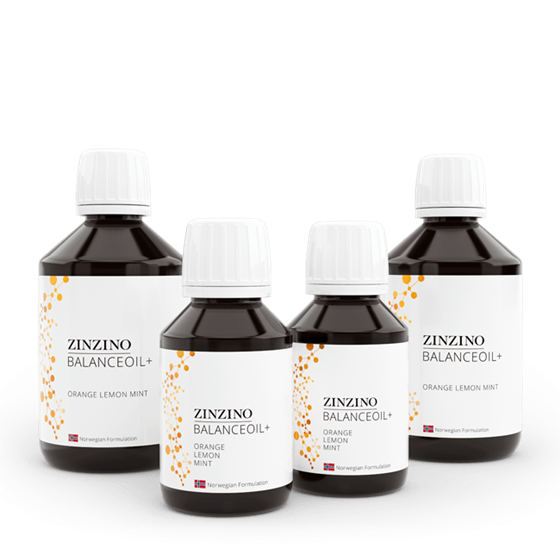
Zinzino Balance Oil is a liquid omega-3 supplement that combines cold-pressed fish oil with extra virgin olive oil at a specific ratio designed to optimize fatty acid absorption. The Norwegian company launched the product in 2009, positioning it as a premium alternative to standard fish oil capsules through the inclusion of olive polyphenols and a personalized testing service. Unlike typical omega-3 supplements sold through retail channels, Zinzino distributes primarily through independent partners in a multi-level marketing structure.
The product comes in 300ml bottles containing approximately 60 servings, with each 5ml dose providing roughly 1,300mg of EPA and DHA omega-3 fatty acids. The addition of extra virgin olive oil serves two stated purposes: protecting omega-3s from oxidation during digestion and providing polyphenols that enhance cellular uptake. Zinzino offers several variants including original citrus flavor, lemon flavor, grapefruit-lemon-lime blend, and a vegan algae-based version called BalanceOil Vegan.
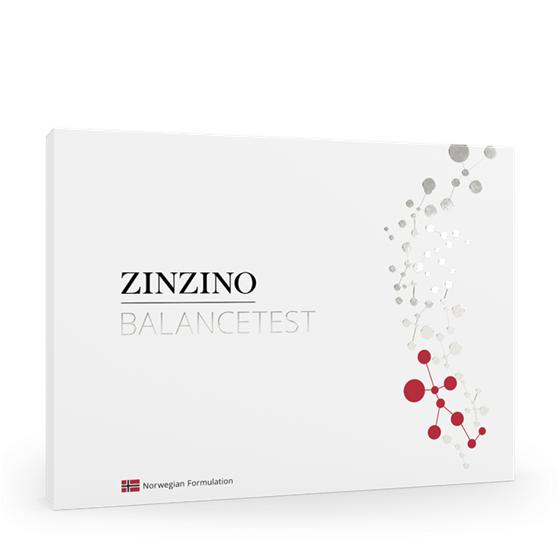
The signature component of the Zinzino system is the BalanceTest, a dried blood spot analysis that measures the ratio of omega-6 to omega-3 fatty acids in cell membranes. Customers receive a baseline test with their first order, then retest after 120 days to track changes. This personalized approach differentiates Zinzino from commodity fish oil brands, though it also creates an ongoing subscription model that raises questions about conflicts of interest in result interpretation.
Key Ingredients and Scientific Formulation
Each 5ml serving of Zinzino Balance Oil contains approximately 3,000mg of total oil, split between fish-derived omega-3 concentrate and cold-pressed olive oil. The fish oil component provides 1,300mg of combined EPA and DHA, slightly below the 2,000mg daily dose shown most effective for cardiovascular and inflammatory conditions in clinical trials. The EPA to DHA ratio sits around 3:2, similar to most standard fish oil supplements rather than the higher EPA formulations often used for mood and inflammation management.
The olive oil component contributes 750mg of polyphenols per serving, primarily hydroxytyrosol and tyrosol compounds. A 2019 study in Marine Drugs found that olive polyphenols may reduce lipid peroxidation during digestion, theoretically improving omega-3 bioavailability. However, the same protective effect can be achieved by taking fish oil with a mixed meal containing fats and antioxidants. The clinical significance of pre-mixing polyphenols versus consuming them separately remains unclear based on current evidence.
Source and Purity Standards
Zinzino sources fish oil from wild-caught anchovies, sardines, and mackerel harvested from Atlantic waters. The company states compliance with Friend of the Sea sustainability certification and maintains third-party testing for heavy metals, PCBs, and oxidation markers. Published certificates of analysis show mercury levels consistently below 0.1ppm, well within safety limits, and TOTOX oxidation values under 10, indicating fresh oil with minimal rancidity.
The olive oil component comes from pre-harvest Picual, Arbequina, and Cornicabra olives grown in Spain. Early harvest timing increases polyphenol concentration but reduces yield, contributing to higher production costs. Independent analysis confirms hydroxytyrosol content above 250mg per serving, meeting the levels associated with cardiovascular benefits in European Food Safety Authority assessments.
Additional Functional Ingredients
Beyond omega-3s and polyphenols, Zinzino Balance Oil contains 20mcg of vitamin D3 per serving, providing 100% of basic daily requirements. This addition makes sense given vitamin D's role in immune function and the high prevalence of deficiency in northern latitudes. The product also includes mixed tocopherols as natural preservatives, preventing oxidation during the 60-day period after opening.
Flavoring agents vary by product variant but typically include natural citrus oils and small amounts of Stevia for palatability. Some users report the taste remains noticeably fishy despite flavoring, particularly in the original formulation. The absence of artificial colors, sweeteners, or GMO ingredients aligns with clean label trends but adds little therapeutic value compared to properly manufactured fish oil capsules.
How Balance Oil Works in the Body
Omega-3 fatty acids function as signaling molecules and structural components throughout the body, particularly in cell membranes, neural tissue, and inflammatory pathways. EPA and DHA compete with omega-6 arachidonic acid for the same enzymatic pathways, shifting production from pro-inflammatory prostaglandins and leukotrienes toward less inflammatory or anti-inflammatory mediators. This mechanism explains omega-3's effects on conditions characterized by chronic low-grade inflammation, including cardiovascular disease, arthritis, and metabolic syndrome.
The ratio of omega-6 to omega-3 fatty acids in cell membranes reflects long-term dietary patterns and influences inflammatory tone. Modern Western diets typically produce ratios of 15:1 to 20:1, compared to estimated ancestral ratios of 1:1 to 4:1. Reducing this ratio through increased omega-3 intake or decreased omega-6 consumption improves inflammatory markers, though the optimal target ratio remains debated. Zinzino promotes a target of 3:1 or lower based on company-sponsored research.
Absorption and Bioavailability Claims
Zinzino emphasizes that the polyphenol-olive oil matrix enhances omega-3 absorption compared to fish oil alone. The proposed mechanism involves polyphenols protecting fatty acids from oxidative damage in the stomach and small intestine, while the olive oil triggers bile release that emulsifies and solubilizes omega-3s. A 2021 pilot study funded by Zinzino showed 50% higher blood EPA levels after 30 days compared to standard fish oil, but the study used the company's own product as the intervention without independent replication.
Independent research on polyphenol-enhanced omega-3 absorption shows mixed results. A 2018 study in Nutrients found no significant difference in omega-3 index between fish oil taken with olive oil versus fish oil alone after 12 weeks. The determining factor for omega-3 absorption appears to be food matrix rather than pre-mixed polyphenols—taking any fish oil supplement with a mixed meal produces similar bioavailability improvements regardless of formulation.
Timeline for Measurable Effects
Red blood cell omega-3 levels typically respond to supplementation within 30-60 days, with plateau reached around 120 days. This timeline matches Zinzino's testing protocol of baseline measurement followed by retest at four months. However, functional improvements in inflammatory markers, triglycerides, and blood pressure often appear earlier, within 4-8 weeks of consistent supplementation at adequate doses.
The rate of improvement depends heavily on baseline status, concurrent dietary changes, and individual metabolic factors. Someone consuming high amounts of fried foods and vegetable oils will see slower progress than someone who simultaneously reduces omega-6 intake. Zinzino's marketing emphasizes the importance of the retest but downplays the role of broader dietary modifications in achieving optimal ratios.
Clinical Evidence and Health Claims
Zinzino cites several proprietary studies showing improvements in omega-6:3 ratios, inflammatory markers, and cardiovascular risk factors. A 2020 company-sponsored trial of 80 subjects published in Journal of Nutritional Science reported average ratio improvements from 12:1 to 2.5:1 after 120 days of Balance Oil supplementation. The study also showed reductions in C-reactive protein, triglycerides, and LDL cholesterol, though effect sizes were modest and within ranges seen with standard high-dose fish oil.
The limitation of Zinzino's research portfolio is the lack of independent replication. Most published studies involve company funding, company-employed authors, or use of proprietary testing services. While this doesn't automatically invalidate findings, it raises questions about publication bias and selective reporting. No major academic medical centers or government-funded research groups have published independent analyses of Balance Oil's comparative effectiveness.
Comparison to Standard Omega-3 Research
The broader evidence base for omega-3 supplementation is extensive, with thousands of studies establishing benefits for cardiovascular health, triglyceride reduction, and inflammatory conditions. A 2018 meta-analysis in Circulation analyzing 13 randomized trials with 127,477 participants found that omega-3 supplementation reduced cardiovascular events by 5-8%, with greatest benefit at doses above 1,000mg daily of combined EPA and DHA.
Zinzino's formulation provides dosing in this effective range but offers no evidence of superiority over pharmaceutical-grade fish oils used in major trials like REDUCE-IT or VITAL. The polyphenol addition is novel but not validated through head-to-head comparisons with established products. Claims about faster or more complete absorption remain theoretical based on mechanisms rather than demonstrated through clinical endpoints.
Areas of Uncertainty and Overstated Claims
Some Zinzino marketing materials suggest the product addresses conditions beyond what current evidence supports. While omega-3s benefit cardiovascular and inflammatory conditions, claims about cognitive enhancement, mood improvement, or longevity extension require cautious interpretation. Most cognitive benefits appear in populations with diagnosed deficiency or specific neurological conditions rather than healthy adults with adequate baseline intake.
The emphasis on achieving specific omega-6:3 ratios also simplifies a complex picture. Absolute intake of omega-3s matters more than ratios in most research. Someone consuming 3,000mg of omega-3 daily with a 6:1 ratio likely experiences better outcomes than someone with a 3:1 ratio but only 500mg of omega-3 intake. Zinzino's testing focuses attention on the ratio metric while potentially overlooking total dose considerations.
BalanceTest Methodology and Interpretation
The Zinzino BalanceTest uses dried blood spot analysis to measure fatty acid composition in red blood cell membranes. Customers prick their finger, apply blood drops to a collection card, and mail the sample to a laboratory in Norway. Results arrive within 10-20 days showing omega-6 to omega-3 ratio, omega-3 index, and individual fatty acid percentages. The test is positioned as a personalized health assessment tool similar to cholesterol or glucose monitoring.
Dried blood spot testing for fatty acids has established validity, with studies showing strong correlation to venous blood draws and red blood cell membrane analysis. A 2017 comparison study in Prostaglandins, Leukotrienes and Essential Fatty Acids found dried blood spots produced results within 5% of standard laboratory methods for EPA and DHA measurement. The technique is legitimate and used in research settings, though it's less precise than gold-standard phospholipid fatty acid analysis.
Limitations of the Testing Service
The main concern with Zinzino's testing approach is the inherent conflict of interest. The company sells both the test and the intervention, creates the target ranges, and benefits financially from subscription renewals tied to retesting. There's no independent oversight of how results are interpreted or whether recommended target ratios align with clinical evidence versus sales optimization.
Additionally, the test measures only one biomarker among many that influence health outcomes. Someone could achieve an optimal 3:1 ratio while still having elevated inflammatory markers, insulin resistance, or nutrient deficiencies that matter more for their specific health concerns. The testing creates an illusion of precision and personalization that may not translate to meaningful health improvements beyond what standard omega-3 supplementation provides.
Alternative Testing Options
Several independent laboratories offer omega-3 index testing without product sales attachments. OmegaQuant provides dried blood spot testing for $49 with results interpreted against cardiovascular disease risk categories established through academic research. Cleveland HeartLab and LabCorp offer similar services through physician orders. These alternatives eliminate conflicts of interest while providing comparable analytical validity.
For most people, testing omega-3 status before and after supplementation adds unnecessary expense. Simply taking a quality fish oil supplement at evidence-based doses (1,000-2,000mg EPA and DHA daily) produces benefits regardless of initial ratio. Testing makes sense for specific populations: those with strong family history of cardiovascular disease, people with inflammatory conditions monitoring treatment response, or individuals who want objective confirmation of dietary changes.
Recommended Products
Top-rated nutrition & supplements supplements & tools on amazon.com
Omega-3 High-Dose
Heart & brain health
View on amazon.com
Vitamin D3 + K2
Immunity & bone support
View on amazon.com
Magnesium Glycinate
Cellular energy & relaxation
View on amazon.com
* Affiliate links — Biohacker Alliance earns a small commission at no extra cost to you. Products shown are selected for relevance to Nutrition & Supplements.
Real User Experiences and Reported Outcomes
Customer reviews of Zinzino Balance Oil show polarized responses typical of premium health products. Positive reviews emphasize improved energy, reduced joint pain, better skin quality, and impressive BalanceTest results. Users who see dramatic ratio improvements from 15:1 to 3:1 often become enthusiastic advocates, particularly those with previously poor diets who make concurrent lifestyle changes. The testing component creates psychological investment that may enhance placebo effects and adherence.
Negative reviews focus on three main issues: taste, price, and MLM concerns. Approximately 20-30% of users report difficulty tolerating the fishy taste despite flavoring, with some experiencing mild nausea or aftertaste that persists for hours. The high cost relative to alternatives generates complaints, especially when users fail to see subjective improvements matching the investment. Concerns about pushy distributors and recruitment pressure appear frequently in reviews on independent platforms versus company-controlled testimonials.
Side Effects and Tolerability
The most common zinzino balance oil side effects involve gastrointestinal discomfort during the first 1-2 weeks of use. Loose stools, mild cramping, and fishy burps occur in 15-20% of new users but typically resolve with continued use or by taking the product with food. These effects are not unique to Zinzino—they're common to all fish oil supplements at moderate-to-high doses due to increased fat intake and changes in gut microbiome composition.
Rare but serious concerns include allergic reactions in people sensitive to fish proteins or olive compounds. Anyone with seafood allergies should consult a physician before starting any fish-based supplement. The product also carries standard omega-3 warnings about increased bleeding risk for people on anticoagulant medications, though clinical significance is debated. Most cardiologists consider omega-3 supplementation safe alongside blood thinners at standard doses.
Long-Term Adherence Patterns
Limited data exists on long-term Zinzino Balance Oil usage beyond the initial 120-day testing period. Anecdotal reports suggest many users discontinue after completing the two-test cycle, either due to cost concerns or achieving their target ratio. The subscription model and testing schedule create natural stopping points that may reduce lifetime adherence compared to simple daily supplementation without measurement pressure.
Some long-term users report continuing with the product for 1-3 years, citing maintained energy levels and joint comfort as reasons for renewal. However, it's unclear whether these benefits represent continued omega-3 effects, placebo responses, or natural health improvements unrelated to supplementation. The absence of independent long-term outcome data makes it difficult to assess whether Zinzino's approach produces superior retention and health improvements compared to standard supplementation.
Zinzino Balance Oil Dosage and Usage Guidelines
The standard zinzino balance oil dosage is 5ml daily, measured using the included dosing cup. This provides approximately 1,300mg of combined EPA and DHA, falling slightly below the 2,000mg daily dose shown most effective for cardiovascular and anti-inflammatory benefits in clinical trials. Users with higher body weight, significant inflammation, or specific health conditions may benefit from doubling the dose to 10ml daily, though Zinzino's marketing emphasizes the 5ml standard.
Timing of supplementation affects both absorption and tolerability. Taking Balance Oil with the largest meal of the day maximizes fat absorption and minimizes gastrointestinal discomfort. Some users prefer splitting the dose between two meals to improve tolerability, though this approach has not been studied for comparative effectiveness. The product should be refrigerated after opening and used within 60 days to prevent oxidation.
Storage Requirements and Shelf Life
Unopened bottles of Zinzino Balance Oil remain stable for 18-24 months when stored in a cool, dark environment below 25°C. After opening, the product must be refrigerated and used within 60 days as the liquid format exposes fatty acids to oxygen and light that accelerate oxidation. This storage requirement poses challenges for travel or situations where refrigeration isn't readily available, unlike shelf-stable capsule formats.
Signs of rancidity include increasingly fishy smell, bitter or metallic taste, and cloudy appearance. Consuming oxidized fish oil reduces effectiveness and may introduce harmful lipid peroxides. The mixed tocopherols in Balance Oil provide some protection against oxidation but cannot prevent degradation if storage guidelines are ignored. Users should mark opening dates on bottles and discard product older than 60 days regardless of appearance.
Contraindications and Drug Interactions
People taking anticoagulant medications (warfarin, heparin, apixaban) should consult physicians before starting omega-3 supplementation, as high doses may theoretically increase bleeding risk. However, a 2018 meta-analysis in JAMA found no significant bleeding increase with omega-3 doses up to 4,000mg daily in patients on anticoagulants. Most cardiologists consider standard supplementation safe with appropriate monitoring.
Omega-3 supplements can lower blood pressure by 3-5mmHg on average. People on antihypertensive medications should monitor blood pressure for the first month to ensure levels don't drop excessively. This effect is generally beneficial but may require medication adjustment in some cases. Similarly, omega-3s reduce triglycerides by 15-30%, which can affect lipid-lowering medication requirements.
Zinzino Balance Oil Price and Value Analysis
The zinzino balance oil price ranges from $45-55 per 300ml bottle (60 servings) depending on whether purchased through subscription or one-time order. Subscription pricing with quarterly shipments reduces cost to approximately $42 per bottle but commits customers to ongoing purchases. Including the initial and follow-up BalanceTests valued at $30 each, the first four months cost around $200-250 total, averaging $50-62 monthly.
Compared to pharmaceutical-grade fish oil alternatives, Zinzino costs 2-3 times more per milligram of EPA and DHA delivered. Nordic Naturals Ultimate Omega provides similar omega-3 doses at $30-35 per month. Carlson Elite Omega-3 Gems costs $25-30 monthly for comparable EPA and DHA content. Even premium brands like Viva Naturals Antarctic Krill Oil, which includes phospholipids and astaxanthin, costs less at $35-40 per month.
Cost-Benefit Evaluation
The additional cost of Zinzino Balance Oil must be justified by one of three factors: superior absorption from the polyphenol-olive oil matrix, value of the testing service, or enhanced adherence from the personalized approach. The absorption advantage lacks independent validation and appears modest at best based on available research. The testing service adds value for people who want objective confirmation but costs less when purchased separately from companies without product sales conflicts.
Adherence enhancement through testing and ratio tracking may represent the strongest value proposition. If the personalized approach increases consistent supplementation compared to taking capsules without feedback, the improved outcomes could justify higher costs. However, no data directly compares adherence rates between Zinzino users and standard fish oil consumers over extended periods. The testing protocol also creates natural stopping points that may reduce lifetime adherence.
Hidden Costs and Subscription Pressures
The MLM distribution model introduces pressure to upgrade from customer to distributor status, with representatives earning commissions on recruitment and team sales. This creates social dynamics where friends or family members become salespeople, potentially straining relationships. The subscription model with quarterly shipments makes cancellation more complex than simply stopping purchase of a retail product, with some users reporting difficulties reaching customer service for cancellation requests.
Shipping costs for international orders can add $10-20 per shipment depending on location. The requirement for refrigerated storage after opening also creates indirect costs—spoiled product from inadequate storage or inability to use within 60 days represents wasted investment. These factors make total cost of ownership higher than the base bottle price suggests.
Comparison with Alternative Omega-3 Supplements
When comparing Zinzino Balance Oil to other omega-3 options, several pharmaceutical-grade alternatives provide equivalent or superior omega-3 delivery at lower cost. Nordic Naturals Ultimate Omega offers 1,280mg of EPA and DHA per serving in triglyceride form with third-party testing for purity. The softgel format eliminates storage concerns and provides more convenient dosing for travel. At $30-35 per month, it costs 40% less than Zinzino while delivering comparable omega-3 content.
Carlson Elite Omega-3 Gems provides 1,600mg of EPA and DHA per two-softgel serving, exceeding Zinzino's dosing at $25-30 monthly cost. The product meets International Fish Oil Standards for purity and freshness, with certificates of analysis publicly available. While it lacks the polyphenol addition, users can separately consume extra virgin olive oil or take the supplement with meals containing polyphenol-rich foods for similar theoretical benefits.
Vegan and Alternative Omega-3 Sources
Zinzino offers BalanceOil Vegan made from algae-derived EPA and DHA, addressing concerns about fish sustainability and vegetarian dietary restrictions. The algae version costs approximately 15% more than fish-based Balance Oil while providing slightly lower omega-3 concentrations per serving. Nordic Naturals Algae Omega and Sports Research Vegan Omega-3 provide comparable vegan options at $30-40 monthly, eliminating the MLM distribution concerns.
For budget-conscious consumers willing to take higher volumes, standard fish oil brands like Nature Made and Kirkland Signature provide 1,000-1,200mg of EPA and DHA daily at $10-15 monthly. These lack the polyphenol addition and testing service but deliver the fundamental omega-3 benefits that drive most health outcomes. Adding a daily serving of extra virgin olive oil or mixed nuts provides polyphenols separately at minimal additional cost.
Prescription Omega-3 Options
Pharmaceutical omega-3 products like Vascepa (icosapent ethyl) and Lovaza (omega-3-acid ethyl esters) require prescriptions but offer standardized dosing validated through large clinical trials. Insurance coverage often reduces out-of-pocket costs below supplement alternatives. These products target specific cardiovascular indications with demonstrated outcomes data that exceeds the evidence base for any over-the-counter supplement, including Zinzino Balance Oil.
The decision between prescription omega-3s and supplements depends on individual health status and insurance coverage. People with established cardiovascular disease, high triglycerides above 200mg/dL, or inflammatory conditions benefit most from prescription products with proven efficacy. Generally healthy individuals seeking prevention may find quality supplements adequate, though the case for Zinzino's premium pricing over standard alternatives remains weak based on available evidence.
MLM Business Model Concerns and Transparency
Zinzino operates through a multi-level marketing structure where independent partners earn commissions on personal sales and recruitment of additional distributors. This business model adds 30-40% to product costs compared to direct-to-consumer or retail distribution. The MLM approach also incentivizes aggressive health claims and recruitment tactics that may prioritize sales volume over evidence-based recommendations or individual customer needs.
The company's 2025 annual report showed partner commissions averaging 42% of revenue, explaining the significant price premium over comparable supplements. While MLM isn't inherently fraudulent, it creates conflicts of interest where distributors benefit from recruiting customers into subscription programs and may downplay alternative solutions. The integration of BalanceTests with product sales creates additional pressure—distributors often position poor test results as requiring immediate product purchase rather than discussing dietary improvements or alternative supplementation.
Red Flags and Transparency Issues
Several aspects of Zinzino's marketing and research raise transparency concerns. The heavy reliance on company-funded studies without independent replication follows patterns seen in other supplement companies making extraordinary claims. The testing service ties customers to ongoing purchases while creating anxiety about ratio optimization that may not meaningfully impact health beyond standard omega-3 supplementation.
Customer service complaints frequently mention difficulty canceling subscriptions, delayed refunds, and aggressive follow-up from distributors after expressing disinterest. These patterns are common in MLM structures where distributors face financial pressure to retain customers and expand teams. The social dynamics of having friends or family members as distributors complicates honest feedback and makes disengagement uncomfortable.
Regulatory and Compliance Status
Zinzino maintains business licenses across multiple countries and complies with local supplement regulations. The company holds Friend of the Sea certification for sustainability and publishes certificates of analysis for purity testing. However, supplement regulations are generally less stringent than pharmaceutical standards, and third-party certification doesn't validate health claims or clinical effectiveness.
The Federal Trade Commission has not taken action against Zinzino specifically, but has issued warnings to multiple MLM supplement companies for making unsubstantiated health claims and misleading income representations. Potential customers should evaluate Zinzino based on product evidence rather than distributor earnings claims or lifestyle marketing that characterizes most MLM promotions.
Order Zinzino BalanceOil+
Buy Original Zinzino Omega-3 from a Certified Independent Partner →
Further Reading
- Zinzino Balance Test: How It Works and What Your Results Mean
- Zinzino Test Results Explained: Reading Your Omega-6:3 Ratio
- Zinzino Omega-3: Evidence-Based Review of BalanceOil+ Formula
Ready for Your Next Upgrade?
Discover verified biohacking experts, curated insights, and a community built around human optimization.
Frequently Asked Questions
Does Zinzino Balance Oil actually improve omega-6:3 ratios?+
Is Zinzino Balance Oil worth the premium price?+
What are the most common Zinzino Balance Oil side effects?+
How does Zinzino's MLM structure affect product pricing and claims?+
Are there comparable alternatives to Zinzino Balance Oil?+
Disclaimer: The information in this article is for educational purposes only and does not constitute medical advice. Always consult a qualified healthcare professional before making changes to your health regimen.