Disclaimer: The information in this article is for educational purposes only and does not constitute medical advice. Always consult a qualified healthcare professional before making changes to your health regimen.
Photo: Freepik.com
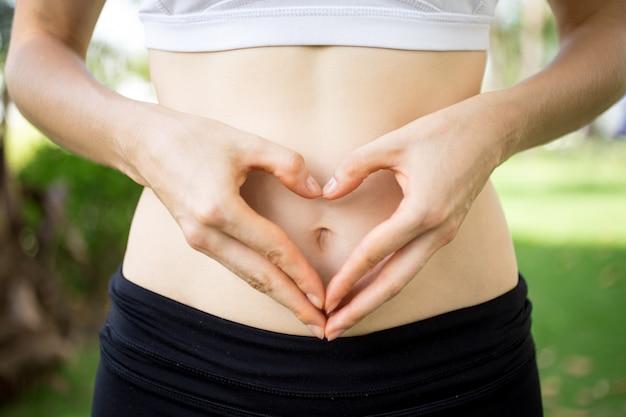
Your gut produces 95% of your body's serotonin — not your brain. It contains 500 million neurons — more than the spinal cord. It communicates with the brain via the vagus nerve, the enteric nervous system, the HPA stress axis, and a cascade of gut-derived hormones and immune signals. The emerging field of psychobiotics — bacteria that directly influence mental health — is reshaping how we understand anxiety, depression, and cognitive function.
Key Terms Explained
Not familiar with a term? Our Gut Health & Microbiome Glossary explains every concept — with PubMed references.
Complete Guide
← Gut Health: The Complete Guide to Your Microbiome (2026)This article is part of our comprehensive gut health series.
The Enteric Nervous System: Your "Second Brain"
The enteric nervous system (ENS) is an autonomous neural network embedded in the walls of the gastrointestinal tract, containing 400–600 million neurons organised into the myenteric and submucosal plexuses. Unlike other visceral organs, the gut can function independently of the central nervous system — it has its own sensory neurons, motor neurons, and interneurons capable of coordinating peristalsis, secretion, and blood flow without any brain input.
The ENS communicates bidirectionally with the brain via three primary channels: the vagus nerve (parasympathetic), spinal afferent nerves (sympathetic), and the hypothalamic-pituitary-adrenal (HPA) axis. Critically, approximately 80–90% of vagal fibres are afferent — carrying signals from gut to brain, not the other way around. This makes the gut a major sensory organ reporting on the microbiome's status, luminal contents, and inflammatory state directly to the brainstem and limbic system.
Serotonin, GABA, and the Gut's Neurotransmitter Factory
The gut's role as a neurotransmitter production centre is one of the most counterintuitive findings in modern neuroscience. Enterochromaffin cells in the gut epithelium produce 90–95% of the body's serotonin (5-hydroxytryptamine, 5-HT), synthesised from dietary tryptophan by tryptophan hydroxylase 1 (TPH1). Gut serotonin does not cross the blood-brain barrier — but it regulates gut motility, intestinal secretion, and platelet aggregation, and signals to the brain indirectly via vagal afferents and the ENS.
Gut bacteria influence serotonin production directly. Spore-forming bacteria of the Clostridia class stimulate enterochromaffin cells to produce serotonin; germ-free mice have blood serotonin levels 60% lower than conventionally colonised animals. Similarly, GABA (the primary inhibitory neurotransmitter) is synthesised directly by Lactobacillus rhamnosus and Bifidobacterium dentium — with a 2015 Nature Communications study showing these bacteria reduced anxiety-like behaviour in mice via GABA receptor modulation.
How Dysbiosis Drives Anxiety and Depression
The link between gut dysbiosis and mental health was dramatically illustrated by faecal transplant studies. In a landmark 2019 study, transferring gut bacteria from depressed humans into germ-free rats induced depressive and anxious behaviour — without any other intervention. The rats showed altered tryptophan metabolism (less serotonin, more kynurenine — a neurotoxic metabolite), consistent with the metabolic signature seen in human depression.
Recommended Products
Top-rated gut health & microbiome supplements & tools on amazon.com
Probiotic Multi-Strain
Microbiome diversity & digestion
View on amazon.com
Prebiotic Fiber
Gut flora nourishment
View on amazon.com
Digestive Enzymes
Nutrient absorption support
View on amazon.com
* Affiliate links — Biohacker Alliance earns a small commission at no extra cost to you. Products shown are selected for relevance to Gut Health & Microbiome.
Mechanistically, dysbiosis contributes to mental health disorders via multiple pathways: increased intestinal permeability allows LPS to enter systemic circulation, triggering neuroinflammation (elevated IL-6, TNF-α, and microglial activation); impaired SCFA production reduces butyrate's neuroprotective and anti-inflammatory effects in the brain; disrupted tryptophan metabolism shifts production toward kynurenine and quinolinic acid (neurotoxic) rather than serotonin; and direct signalling from pathobionts activates vagal afferents, altering mood and stress reactivity.
The Psychobiome: Bacteria That Directly Influence Mood
The concept of the psychobiome — bacterial species with documented effects on brain function and mental health — is moving from hypothesis to clinical trial. The most studied candidates are Lactobacillus rhamnosus JB-1 (reduced anxiety and depression in mouse models via GABA pathway; human trials mixed), L. helveticus R0052 + B. longum R0175 (a combination shown in a 2011 RCT in Gut Microbes to reduce urinary cortisol and psychological distress in healthy volunteers), and Akkermansia muciniphila (inversely correlated with depression and social anxiety in observational studies, with improving evidence for metabolic benefits that indirectly support mood).
Related Guide
🔬 The Gut Microbiome: What It Is and How to Optimise It (2026)How keystone species like Lactobacillus and Akkermansia support the gut-brain connection, and the measurable effects of dysbiosis.
Protocols for a Healthier Gut-Brain Connection
Evidence-based interventions targeting the gut-brain axis include: dietary diversity (30+ plant species/week increases microbial GABA and SCFA production); fermented foods (the 2021 Stanford Cell trial showed 10 weeks of high fermented food consumption reduced 19 inflammatory proteins, several of which are elevated in depression); omega-3 supplementation (EPA/DHA reduce neuroinflammation and support serotonin receptor density — an independent mechanism but synergistic with gut health); vagal toning (diaphragmatic breathing, cold face immersion, and humming all activate the vagus nerve, improving the gut-brain communication channel); and stress management (chronic stress dysregulates the HPA axis, elevating cortisol which thins the gut mucus layer and shifts the microbiome toward pathobiont overgrowth within days).
Related Guide
🦠 Probiotics vs Prebiotics: The Science-Backed Guide (2026)Which psychobiotic strains have clinical evidence, how prebiotics support neurotransmitter production, and how to build a brain-supporting gut protocol.
For the complete framework on how gut health integrates with every body system, read our complete gut health guide.
References & Scientific Sources
- [1] Yano JM et al. (2015). Indigenous bacteria from the gut microbiota regulate host serotonin biosynthesis. Cell 161(2):264–276. https://pubmed.ncbi.nlm.nih.gov/25860609/
- [2] Bonaz B, Bazin T, Pellissier S (2018). The Vagus Nerve at the Interface of the Microbiota-Gut-Brain Axis. Front Neurosci 12:49. https://pubmed.ncbi.nlm.nih.gov/29467611/
- [3] Dinan TG, Stanton C, Cryan JF (2013). Psychobiotics: a novel class of psychotropic. Biol Psychiatry 74(10):720–726. https://pubmed.ncbi.nlm.nih.gov/23759244/
- [4] Cryan JF et al. (2019). The Microbiota-Gut-Brain Axis. Physiol Rev 99(4):1877–2013. https://pubmed.ncbi.nlm.nih.gov/31460832/
- [5] Mayer EA et al. (2022). The gut microbiome and the brain. J Clin Psychiatry 77(11):e1519. https://pubmed.ncbi.nlm.nih.gov/27631098/
- [6] Foster JA, McVey Neufeld KA (2013). Gut-brain axis: how the microbiome influences anxiety and depression. Trends Neurosci 36(5):305–312. https://pubmed.ncbi.nlm.nih.gov/23384445/
Frequently Asked Questions
What is the gut-brain axis?+
Does the gut really produce serotonin?+
Can fixing your gut improve mental health?+
What is the vagus nerve's role in gut-brain communication?+
What are psychobiotics?+
Disclaimer: The information in this article is for educational purposes only and does not constitute medical advice. Always consult a qualified healthcare professional before making changes to your health regimen.