Disclaimer: The information in this article is for educational purposes only and does not constitute medical advice. Always consult a qualified healthcare professional before making changes to your health regimen.
What Is Gut Health — And Why Does It Matter?
Gut health refers to the balance and function of your entire gastrointestinal (GI) tract — from the stomach and small intestine to the large intestine and colon. But in modern biohacking and functional medicine, the term goes far beyond digestion. A healthy gut means a well-functioning gut microbiome: the trillions of bacteria, fungi, viruses, and other microorganisms that live inside your intestines and influence nearly every system in your body.
Research published in Nature and Cell over the past decade has confirmed what functional medicine practitioners have long suspected: the state of your gut shapes your immune system, your mood, your metabolism, your hormone balance, and even your cognitive performance. In 2026, gut health is no longer a niche topic — it is the foundation of whole-body optimisation.

Key Terms Explained
Not sure about a term? Our Gut Health Glossary explains the science behind Gut Microbiome, Dysbiosis, SCFAs, Butyrate, Zonulin, Akkermansia, SIBO, and more — with PubMed references.
The Gut Microbiome: Your Inner Ecosystem
The human gut is home to approximately 38 trillion microorganisms — roughly the same number as human cells in the body. This community, collectively called the gut microbiome, forms an ecosystem as unique as a fingerprint. No two people share the same microbial composition.
The dominant bacterial phyla in a healthy microbiome are Firmicutes and Bacteroidetes, typically in a ratio that reflects overall metabolic health. Beneficial species like Lactobacillus, Bifidobacterium, and Akkermansia muciniphila produce short-chain fatty acids (SCFAs) — particularly butyrate, propionate, and acetate — which fuel the gut lining cells, reduce inflammation, and regulate immune responses.
The key insight from microbiome science is diversity. A gut microbiome with a wide variety of species is consistently associated with better health outcomes. Loss of diversity — called dysbiosis — is linked to irritable bowel syndrome (IBS), inflammatory bowel disease (IBD), obesity, type 2 diabetes, depression, and autoimmune conditions.
Signs Your Gut Health Needs Attention
Many people live with suboptimal gut health for years without connecting their symptoms to their digestive system. Common signs include:
- Bloating and gas after meals, particularly after high-fibre or fermented foods
- Irregular bowel movements — chronic constipation, diarrhoea, or alternating patterns
- Food intolerances that develop in adulthood, particularly to gluten, dairy, or FODMAPs
- Fatigue and brain fog that persists despite adequate sleep
- Skin conditions including eczema, acne, and psoriasis — the gut-skin axis is well documented
- Frequent infections or slow recovery — since 70–80% of immune cells reside in the gut
- Mood disturbances including anxiety and low mood — via the gut-brain axis
- Autoimmune flares — intestinal permeability (leaky gut) is a proposed trigger for several autoimmune conditions
If you experience three or more of these consistently, a structured gut health assessment is worth pursuing. See our guide to home gut health tests and microbiome testing for a practical starting point.
The Gut-Brain Axis: Your Second Brain
The gut contains over 500 million neurons and produces more than 90% of the body's serotonin. It communicates with the brain via the vagus nerve in a bidirectional highway known as the gut-brain axis. This connection means that stress, anxiety, and depression influence gut function — and conversely, gut dysbiosis directly affects mood, cognition, and stress resilience.
A 2024 meta-analysis in The Lancet Psychiatry found that probiotic supplementation reduced symptoms of depression and anxiety in clinical populations. Specific strains like Lactobacillus rhamnosus and Bifidobacterium longum have been studied for their psychobiotic effects — the ability to influence mental health through the gut.
Practical implications: managing your gut health is not just about digestion. It is a direct intervention for mental performance, stress response, and emotional resilience.
Leaky Gut: What the Research Actually Says
Intestinal permeability — commonly called leaky gut — occurs when the tight junctions between intestinal epithelial cells become compromised, allowing undigested food particles, bacterial toxins (lipopolysaccharides, or LPS), and other antigens to enter the bloodstream. This triggers a systemic inflammatory response.
While the term "leaky gut" remains controversial in conventional medicine, intestinal permeability is a measurable biological phenomenon. Elevated zonulin (a protein that regulates tight junctions) is now used as a clinical marker. Conditions associated with increased intestinal permeability include:
Recommended Products
Top-rated gut health supplements & tools on amazon.com
Probiotic Multi-Strain
Microbiome diversity & digestion
View on amazon.com
Prebiotic Fiber
Gut flora nourishment
View on amazon.com
Digestive Enzymes
Nutrient absorption support
View on amazon.com
* Affiliate links — Biohacker Alliance earns a small commission at no extra cost to you. Products shown are selected for relevance to Gut Health.
- Coeliac disease and non-coeliac gluten sensitivity
- Crohn's disease and ulcerative colitis
- Type 1 diabetes
- Rheumatoid arthritis
- Chronic fatigue syndrome
Key drivers of leaky gut include: chronic stress, alcohol consumption, NSAID overuse, ultra-processed foods, and low dietary fibre. The good news: the gut lining can regenerate with the right nutritional and lifestyle interventions.
How to Improve Gut Health: Evidence-Based Strategies
1. Eat for Microbiome Diversity
The single most impactful dietary change you can make is increasing plant diversity. The American Gut Project found that people who ate 30 or more different plant foods per week had significantly more diverse microbiomes than those eating fewer than 10. Aim for variety across vegetables, fruits, legumes, nuts, seeds, herbs, and spices.
Fermented foods are a powerful tool: kimchi, sauerkraut, kefir, yogurt, miso, and kombucha introduce live microorganisms and have been shown in Stanford research (2021) to increase microbiome diversity more effectively than a high-fibre diet alone in the short term.
2. Prioritise Prebiotic Fibre
Probiotics get most of the attention, but prebiotics — non-digestible fibres that feed beneficial bacteria — are arguably more important. Key prebiotic foods include garlic, onions, leeks, asparagus, oats, bananas (slightly unripe), Jerusalem artichokes, and chicory root. Aim for 25–38g of fibre daily, with a significant portion coming from prebiotic sources.
3. Strategic Probiotic Supplementation
Not all probiotics are equal. Strain specificity matters: different strains have different effects. For general gut health and microbiome support, multi-strain formulas containing Lactobacillus acidophilus, Bifidobacterium bifidum, and Lactobacillus rhamnosus are well-researched. For IBS specifically, Bifidobacterium infantis and Lactobacillus plantarum have the strongest clinical evidence.
For a full analysis of gut health supplements and what the science actually supports, see our guide to nutrition and supplements — the science of what works.
4. Manage Stress — It Directly Damages Your Gut
Chronic psychological stress alters gut motility, increases intestinal permeability, disrupts the microbiome composition, and impairs the mucosal immune system. The mechanism is the HPA (hypothalamic-pituitary-adrenal) axis: elevated cortisol suppresses the protective mucus layer and shifts microbial balance toward pro-inflammatory species.
Effective stress management is therefore a direct gut health intervention. Mind-body practices with evidence for gut improvement include mindfulness meditation (reduces IBS symptoms), yoga, diaphragmatic breathing, and cold exposure (via vagal nerve stimulation).
5. Optimise Sleep
The gut microbiome follows circadian rhythms. Disrupted sleep — including shift work and chronic late bedtimes — has been shown to alter microbial composition within just two days. Prioritising 7–9 hours of quality sleep, consistent sleep-wake times, and dark sleeping environments all support microbial homeostasis.
6. Limit Gut-Damaging Inputs
Several common habits consistently damage the gut microbiome: overuse of antibiotics (unavoidable when necessary, but microbiome restoration after a course is essential), excessive alcohol, regular NSAID use (ibuprofen, aspirin), a diet high in emulsifiers (carboxymethylcellulose, polysorbate-80 found in ultra-processed foods), and chronic stress.
Gut Health Testing: Know Your Baseline
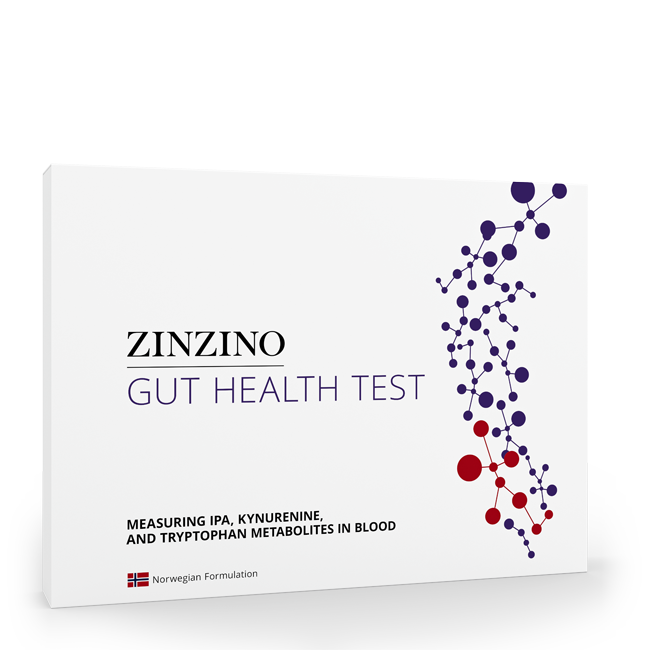
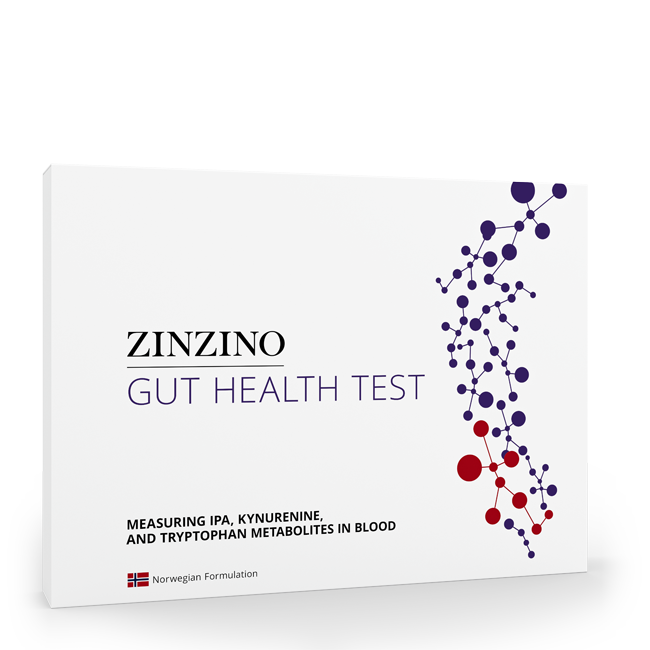
You cannot optimise what you do not measure. Modern gut health testing has become accessible and actionable. Key tests include:
- Comprehensive stool analysis — assesses microbiome composition, diversity, inflammatory markers, and digestive function
- Zonulin testing — blood marker for intestinal permeability
- SIBO breath test — small intestinal bacterial overgrowth, a common and under-diagnosed cause of IBS
- Food sensitivity testing — IgG panels to identify reactive foods driving inflammation
- Omega-6/Omega-3 ratio — systemic inflammation marker closely linked to gut inflammation
For a step-by-step guide to testing your gut health at home, including which tests are worth the cost and how to interpret results, read our dedicated article: Home Gut Health Test: The Complete Testing Guide.
Gut Health and Nutrition: The Supplement Stack That Works
Beyond diet, certain targeted supplements have strong evidence for gut health support:
- L-Glutamine — primary fuel for intestinal epithelial cells; supports tight junction integrity and leaky gut repair
- Omega-3 fatty acids (EPA/DHA) — reduce gut inflammation and support Akkermansia growth; the Omega-6/Omega-3 ratio in your blood is a key gut inflammation marker
- Zinc carnosine — clinically proven to strengthen the gut mucosal lining
- Collagen peptides — provide amino acids (glycine, proline) for gut lining repair
- Digestive enzymes — support breakdown of proteins, fats, and carbohydrates; beneficial in cases of low stomach acid or pancreatic insufficiency
- Butyrate (sodium butyrate) — the main energy source for colonocytes; reduces gut inflammation and supports the gut-brain axis
For the full breakdown of what these supplements do, what doses are evidence-based, and what to avoid, see our comprehensive nutrition and supplement science guide.
Gut Health Deep Dives: Topic Guides
The science of gut health is broad and fast-moving. To help you go deeper on any aspect, we've built a full library of evidence-based guides — each one linking back to this pillar and cross-referencing related topics. Explore the cluster below:
Gut Health as a Biohacking Foundation
In the biohacking world, gut health sits at the intersection of every other domain. You cannot optimise sleep if your gut is producing excess cortisol. You cannot achieve peak cognitive performance if your gut-brain axis is dysregulated. You cannot build lean muscle effectively if your nutrient absorption is compromised. And you cannot sustain longevity if your gut is generating chronic systemic inflammation.
This is why functional medicine practitioners and elite biohackers consistently prioritise the gut as the first system to repair and optimise — before adding complexity with other interventions. A healed, diverse microbiome is the substrate on which every other health upgrade is built.
For a broader view of how gut health integrates into a complete optimisation protocol, explore our complete guide to biohacking.
Frequently Asked Questions
What is gut health?+
What are the signs of poor gut health?+
How can I improve my gut health?+
What is the gut-brain axis?+
What is leaky gut?+
What gut health tests are worth doing?+
Which probiotics are best for gut health?+
How long does it take to improve gut health?+
Disclaimer: The information in this article is for educational purposes only and does not constitute medical advice. Always consult a qualified healthcare professional before making changes to your health regimen.